
Winter Laundry Hacks: Keep Your Coats, Sweaters, and Blankets Dirty Britches Fresh
Why Winter Laundry Deserves Special Attention
Winter laundry isn’t just your regular rinse-and-spin situation, darling. Thick coats, cozy sweaters, and fluffy blankets hold onto more than just warmth—they collect road salt, snow slush, and mystery stains from that peppermint mocha spill you thought no one noticed. Plus, these fabrics are as dramatic as your favorite reality show characters, needing extra TLC to avoid shrinking, fading, or turning into unrecognizable messes. Think of it this way: your summer tank tops can survive a laundry free-for-all, but your winter gear? It needs the VIP treatment.
The Challenges of Washing Winter Wear
Washing winter clothes feels like trying to fold a fitted sheet—tricky but not impossible. Bulky fabrics, delicate materials like wool and down, and items heavier than your emotional baggage make it challenging. Tossing them into a cramped washer can leave them less than fresh and more like a damp, wrinkled mess. Plus, if you’re not careful, you could end up with a toddler-sized sweater from what was once your favorite oversized knit. The key? Giving your winter wear the space, cycle, and care it deserves.
The Benefits of Using Large-Capacity Machines
Imagine trying to dance in a phone booth—not ideal, right? That’s how your winter laundry feels in a small washer. Large-capacity machines are the game-changer you didn’t know you needed. They allow your bulky coats and thick blankets to tumble freely, ensuring every fiber gets its moment with the detergent. No more uneven washes or damp patches hiding in the folds. Plus, they speed up drying time because your clothes aren’t packed tighter than a holiday suitcase. Big machines, big results—it’s as simple as that.
How to Wash Winter Coats
Read the Care Label: Your First Step to Success
Before you even think about tossing that winter coat into the washer, stop and read the care label. It’s like the secret map to treasure—except the treasure is not ruining your favorite puffer jacket. The label tells you everything you need to know, from water temperature to whether it can survive a spin cycle without turning into a sad, shapeless blob. Don’t skip this step unless you’re into laundry roulette.
Pre-Treat Stains: Focus on Cuffs, Collars, and Pockets
Cuffs, collars, and pockets are the real dirt magnets of winter coats. They catch every drip of coffee, every makeup smudge, and let’s not forget the mysterious pocket crumbs. Spot-treat these areas with a gentle stain remover or mild detergent before washing. Think of it as giving your coat a little spa facial before its full-body treatment in the wash.
Choose the Right Settings: Gentle Cycle with Cold Water
Your winter coat isn’t training for the Olympics—it doesn’t need a high-intensity cycle. Select a gentle wash with cold water to preserve the fabric and insulation. Our large-capacity machines at Dirty Britches Laundry ensure even the puffiest coats get the love they deserve without being squished like last season’s trends.
Drying Coats: Low Heat and Fluffing with Dryer Balls
Want to keep that coat looking fresh and fluffy? Dry on low heat with dryer balls. They bounce around, breaking up clumps in down-filled coats and speeding up drying time. It’s like a mini workout session for your jacket—without the sweat.
Keeping Sweaters Soft and Cozy
Hand Wash or Machine Wash? Knowing the Difference
Wool and cashmere sweaters prefer gentle care. When using a washing machine, select the delicate cycle with cold water to avoid stretching or shrinking. If you’re feeling fancy, hand wash them in lukewarm water with a mild detergent. Either way, your sweaters will thank you with that soft, cozy feel we all love.
Use Mild Detergents: Protecting Delicate Fibers
Harsh detergents can be a sweater’s worst nightmare, breaking down fibers faster than you can say “laundry day.” Opt for a mild, wool-friendly detergent that keeps colors vibrant and fabrics soft. Bonus points if it’s eco-friendly, because even sweaters like to go green.
Dry Flat to Avoid Stretching: The Sweater’s Golden Rule
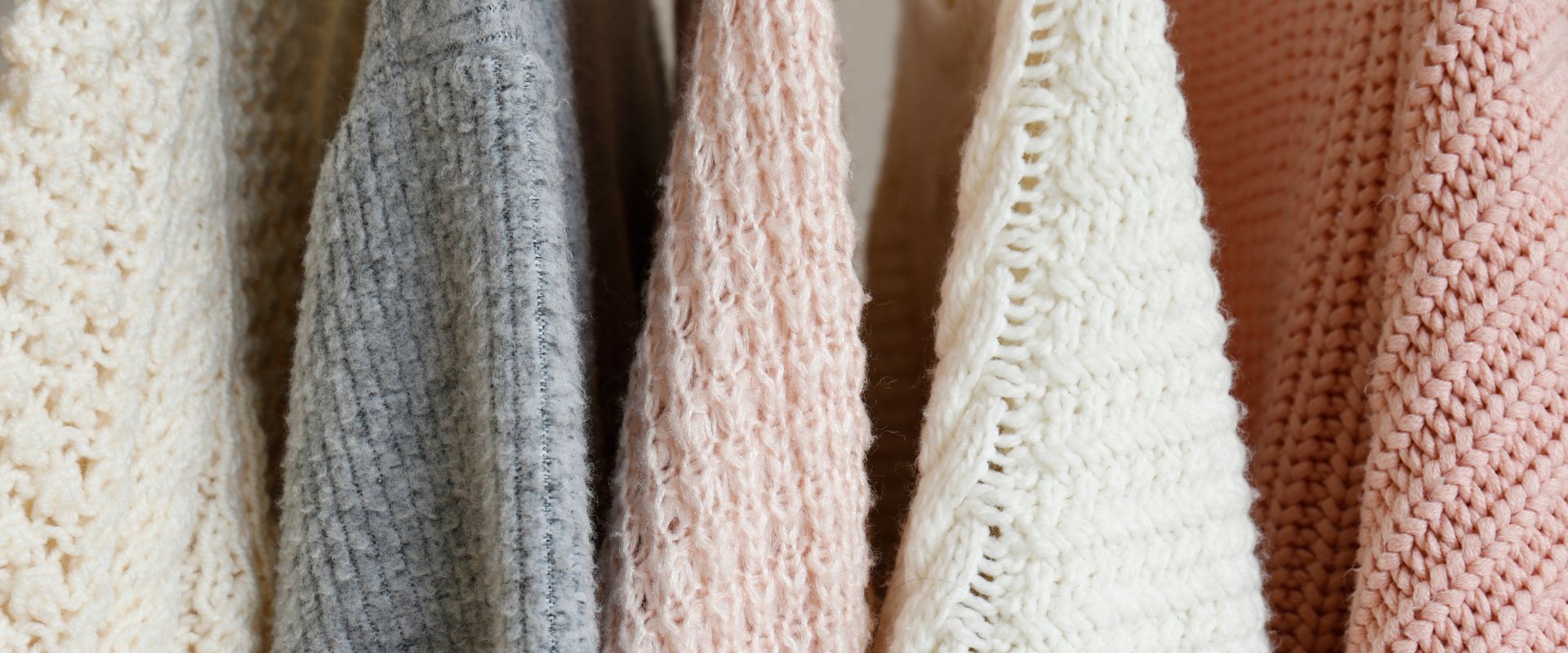
Avoid hanging sweaters to dry unless you’re into oddly shaped necklines. Lay them flat on a clean towel, reshaping as needed to maintain their form. This method prevents stretching, sagging, and that dreaded “hanger shoulder” look.